Find Your Representative
Your address is used once to look up your district. Nothing is stored, and it is never shared.
FASTER Act 101: How a Bill Becomes a Law
About This Tool
Where do these email addresses come from?
Staff names and titles come from the Statement of Disbursements, the quarterly payroll report the Chief Administrative Officer of the House publishes for every office. House email follows a fixed public format, first.last@mail.house.gov. Member and district data comes from the public congress-legislators dataset, and district lookup uses the U.S. Census Bureau geocoder. Everything is public, and no private contact information is used.
Why email the office directly instead of using a contact form?
Messages sent through a congressional contact form land in a correspondence system, where they are counted by topic and answered with a form letter. Writing to the Legislative Director and Legislative Assistants who handle health policy puts your message in front of the people who advise the Member on whether to co-sponsor a bill. Your Representative's contact form is still linked at the bottom of this page.
How does the United Kingdom label gluten-containing grains?
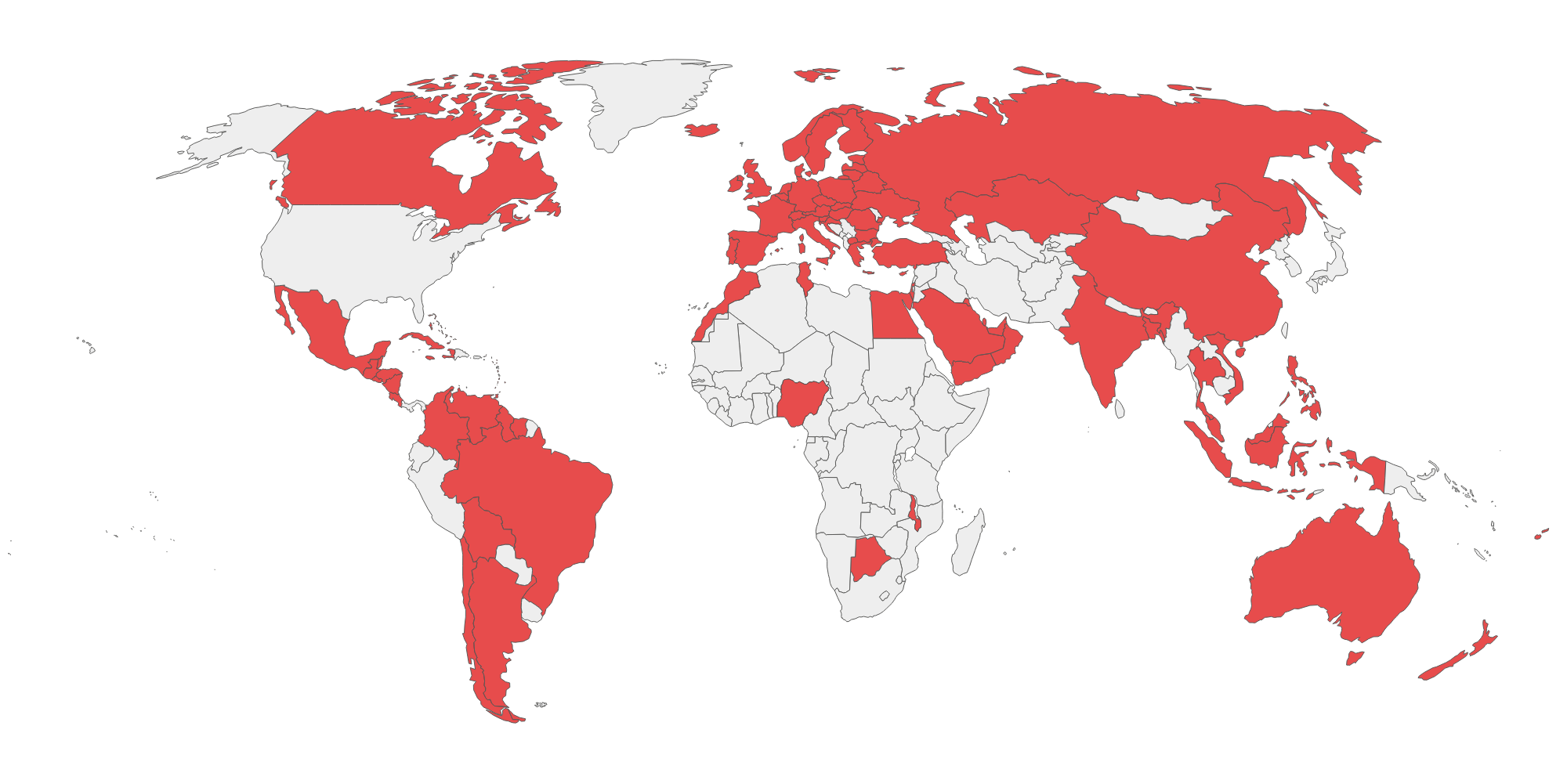
To understand more about how gluten-containing grains are labeled in the United Kingdom, it is instructive to read the Food & Drink Federation's Gluten Labelling Guidance: Best Practice for Prepacked Foods which Include or Exclude Cereals Containing Gluten. Oats are required to be labeled in many other countries including Canada, Mexico, the United Kingdom, and across the European Union, and the UK guidance shows how oats are addressed there.
Why are oats part of this bill?
According to the Institute of Agriculture and Natural Resources, Food Allergy Research and Resource Program at the University of Nebraska-Lincoln, "oats are often contaminated with wheat; this contamination occurs through shared agricultural fields, harvesting equipment, transportation vehicles, and on-farm and off-farm storage facilities. Thus, celiac sufferers should exercise caution with respect to the ingestion of oats."